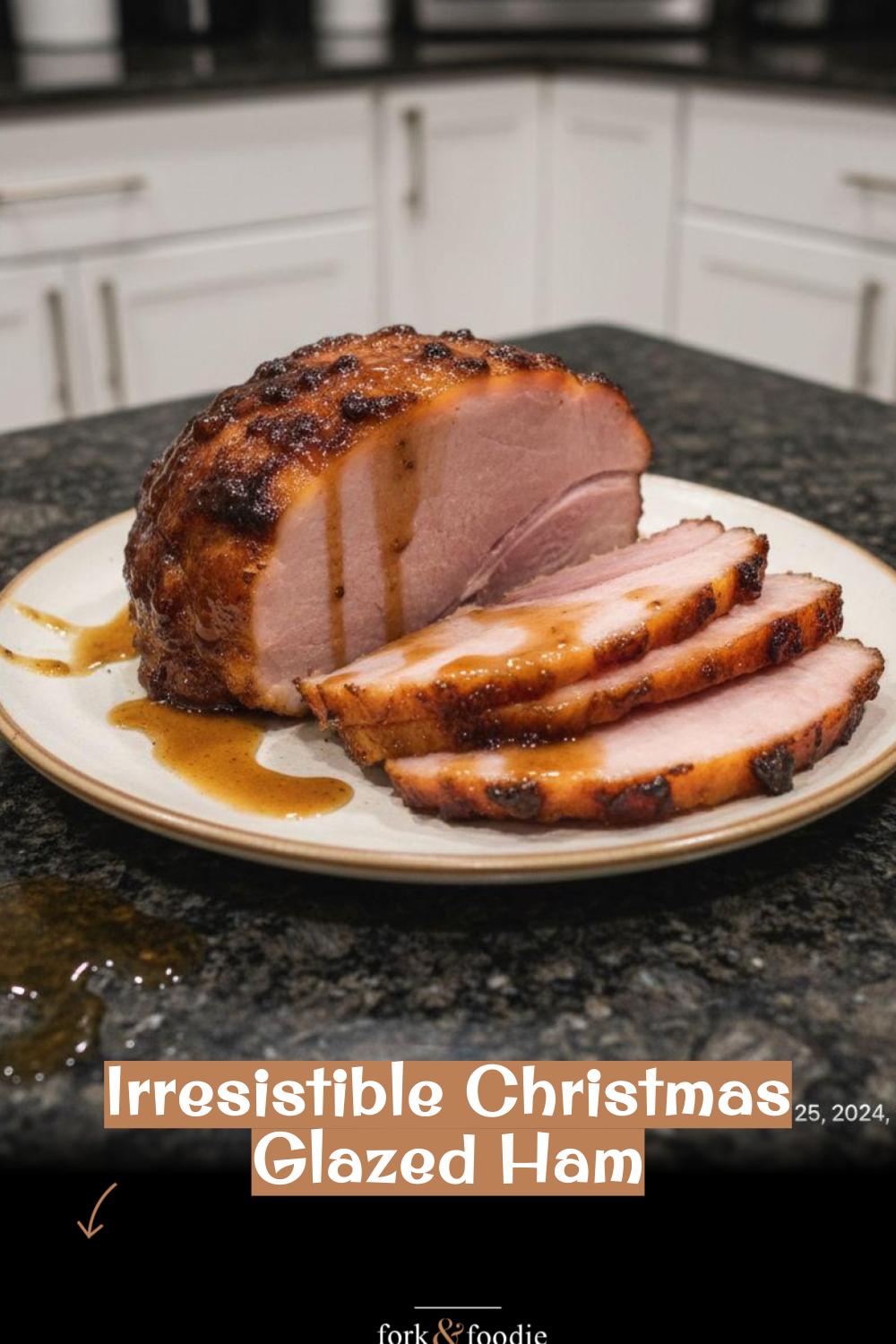
Classic Glazed Ham: The Beloved Heart of Your Christmas Table
As the festive season draws near, certain aromas and flavors immediately transport us to cherished memories of family, warmth, and celebration. Few dishes embody this spirit quite like a beautifully crafted glazed Christmas ham. More than just a meal, it stands as the majestic centerpiece, a beacon of holiday joy that gathers loved ones around the table with its irresistible aroma and stunning presentation. Far from being an intimidating culinary challenge, achieving a show-stopping easy glazed christmas ham is surprisingly straightforward, promising a sweet, tangy, and incredibly moist experience that truly impresses.
This article delves into the art and tradition of creating the ultimate classic glazed ham, transforming simple ingredients into an unforgettable feast. From mastering the perfect sticky-sweet glaze to ensuring your ham is exquisitely tender, we'll guide you through every step, ensuring your holiday table is graced with a dish that's as delicious as it is memorable.
The Enduring Allure of Glazed Christmas Ham
For generations, the glazed Christmas ham has been an undeniable staple of holiday feasts, weaving itself into the very fabric of family traditions. There's a certain magic that unfolds as the scent of roasting ham, infused with spices and citrus, begins to permeate the home. It’s a sensory announcement that the holidays have truly arrived, filling every corner with anticipation and comfort. This dish isn't just about sustenance; it's about continuity, about recreating beloved experiences, and about the shared joy of a festive gathering.
The visual impact of a perfectly caramelized, glistening ham, often adorned with pineapple rings or vibrant clementine slices, is unparalleled. It speaks volumes of the care and love poured into the holiday preparations, making it a natural focal point for any Christmas spread. Many find themselves returning to this classic year after year, not just for its exquisite taste, but for the profound sense of tradition it evokes. Whether it’s your first time tackling this festive showstopper or you're an experienced holiday host, the satisfaction of presenting such a magnificent dish, reminiscent of cherished family recipes, is truly one of the great pleasures of the season.
Crafting the Perfect Glaze: Sweet, Sticky, and Irresistible
The glaze is where the true magic of a glazed Christmas ham unfolds, transforming a humble cut of meat into a masterpiece of flavor and texture. The secret lies in a carefully balanced blend of sweet, tangy, and savory elements that caramelize beautifully under heat, locking in moisture and creating an utterly delectable crust. While many variations exist, the foundational components often revolve around brown sugar, which provides that essential deep sweetness and helps create a sticky, glossy finish.
Classic glazes frequently incorporate acidic elements like pineapple juice or orange juice to cut through the richness of the ham and balance the sweetness. A touch of mustard, whether Dijon or a spicier variety, adds a subtle piquant note that elevates the overall flavor profile, preventing it from becoming cloyingly sweet. For an extra layer of decadence and depth, ingredients like golden honey and melted butter are often folded into the mixture, creating a rich, luscious coating. The genius of a truly great glaze, such as those found in a sweet & sticky glazed ham recipe, is its ability to not only flavor the exterior but also, through basting, imbue the meat with succulence and aromatic complexity.
For those seeking a more aromatic and nuanced glaze, drawing inspiration from culinary maestros, consider incorporating whole clementines and cloves. Claudia Roden’s technique of steaming oranges for moisture and flavor can be adapted by steaming clementines alongside your ham. These softened citrus fruits can then be blended into your sweet mustard sauce, creating an incredibly fragrant, slightly bitter-sweet, and wonderfully spiced glaze. This method not only infuses the ham with bright, festive notes but also produces a delicious extra sauce that pools at the bottom of the pan – a delightful bonus for serving and an ingenious condiment for any leftover ham sandwiches!
Tips for Glaze Application:
- Timing is Key: Apply the glaze during the final stages of baking (typically the last 30-60 minutes) to prevent it from burning. You want caramelization, not charring.
- Generous Brushing: Don't be shy! Brush the glaze generously over the entire surface of the ham. Reapply every 10-15 minutes during the final baking period for maximum stickiness and shine.
- Scoring the Ham: Lightly score the ham in a diamond pattern before applying the first layer of glaze. This not only creates a beautiful presentation but also allows the glaze to penetrate deeper into the meat, infusing more flavor.
Beyond the Glaze: Achieving a Perfectly Tender Ham
While the glaze undeniably steals the show in a glazed Christmas ham, the foundation of a truly magnificent dish lies in the perfectly cooked ham beneath. Most hams available for holiday cooking are pre-cooked, meaning your primary goal is to gently reheat them while enhancing their flavor and ensuring they remain incredibly tender and juicy. A bone-in ham, typically weighing between 10-12 pounds, is often preferred for its richer flavor and superior moisture retention, though boneless varieties are also excellent for ease of carving.
The key to optimal tenderness is slow and steady baking. A consistent oven temperature of 325 degrees Fahrenheit (160 degrees Celsius) allows the ham to heat through evenly without drying out. For a pre-cooked ham, you're generally looking for an internal temperature of 140 degrees Fahrenheit (60 degrees Celsius) when measured with a meat thermometer inserted into the thickest part, avoiding the bone. To prevent dryness, particularly during the initial heating phase, it's often recommended to bake the ham covered loosely with foil. This traps steam and moisture, ensuring a succulent result.
Elevating the base ham beyond simple reheating involves more than just the glaze. Consider placing aromatics like clementine halves, apple wedges, or even a splash of ginger ale or apple cider in the bottom of the roasting pan. As the ham bakes, these additions create an aromatic steam bath, subtly infusing the meat with their essence and keeping the environment moist. The natural juices released during cooking, combined with any liquids in the pan, form a flavorful base that can be used for basting or even as a simple pan sauce. After applying the glaze, remove the foil to allow the sugars to caramelize and form that coveted crust.
Once your ham reaches the desired internal temperature and boasts a beautiful, sticky glaze, the final, crucial step is to let it rest. Like all roasted meats, a 15-20 minute rest period allows the juices to redistribute throughout the ham, resulting in a more tender and flavorful slice. Carve against the grain for the most delicate texture, and be ready to witness the delight on your guests' faces as they taste this holiday masterpiece.
Serving Suggestions and Savory Leftovers
The moment of truth arrives when your glazed Christmas ham is presented at the table. To truly highlight its beauty, consider simple garnishes like fresh rosemary sprigs, bright orange slices, or even a scattering of pomegranate seeds for a festive pop of color. As for accompaniments, the versatility of glazed ham makes it a perfect partner for a wide array of traditional holiday sides:
- Creamy Mashed Potatoes: The ultimate classic pairing.
- Roasted Root Vegetables: Carrots, parsnips, and sweet potatoes roasted with herbs complement the ham's sweetness.
- Green Bean Casserole: A holiday staple that adds a comforting, savory contrast.
- Cranberry Sauce or Chutney: The tartness perfectly cuts through the richness of the ham.
- Warm Dinner Rolls: Essential for soaking up any extra glaze or pan juices.
One of the greatest gifts of a generously sized glazed Christmas ham is the promise of delicious leftovers. Far from being an afterthought, leftover ham is a culinary treasure that can inspire numerous meals, often becoming as anticipated as the main event itself. That pooling sauce at the bottom of the pan, infused with clementine, mustard, and ham drippings, is a clever sandwich condiment in the making. Simply skim off any excess fat and store it to elevate your post-holiday sandwiches.
Creative Leftover Ham Ideas:
- Hearty Ham and Cheese Sandwiches: Layer thin slices with your favorite cheese, perhaps a touch of that reserved pan sauce.
- Savory Ham and Split Pea Soup: The ham bone can even be used to make a flavorful stock.
- Breakfast Frittatas or Omelets: Dice the ham and combine with cheese and vegetables for a quick, satisfying meal.
- Ham and Potato Hash: A comforting brunch option.
- Pasta Dishes or Quiches: Incorporate diced ham for a boost of savory flavor.
Conclusion
The classic glazed ham is more than just a dish; it's a centerpiece, a tradition, and a symbol of holiday togetherness. With its irresistible sweet and savory glaze, tender texture, and captivating aroma, it has earned its place at the heart of countless Christmas tables. By embracing tried-and-true techniques for glazing and baking, and perhaps even adding your own unique twist, you can effortlessly create a festive showstopper that not only delights the palate but also creates cherished memories for years to come. So, gather your ingredients, preheat your oven, and prepare to fill your home with the joyous spirit of a truly unforgettable holiday feast.
