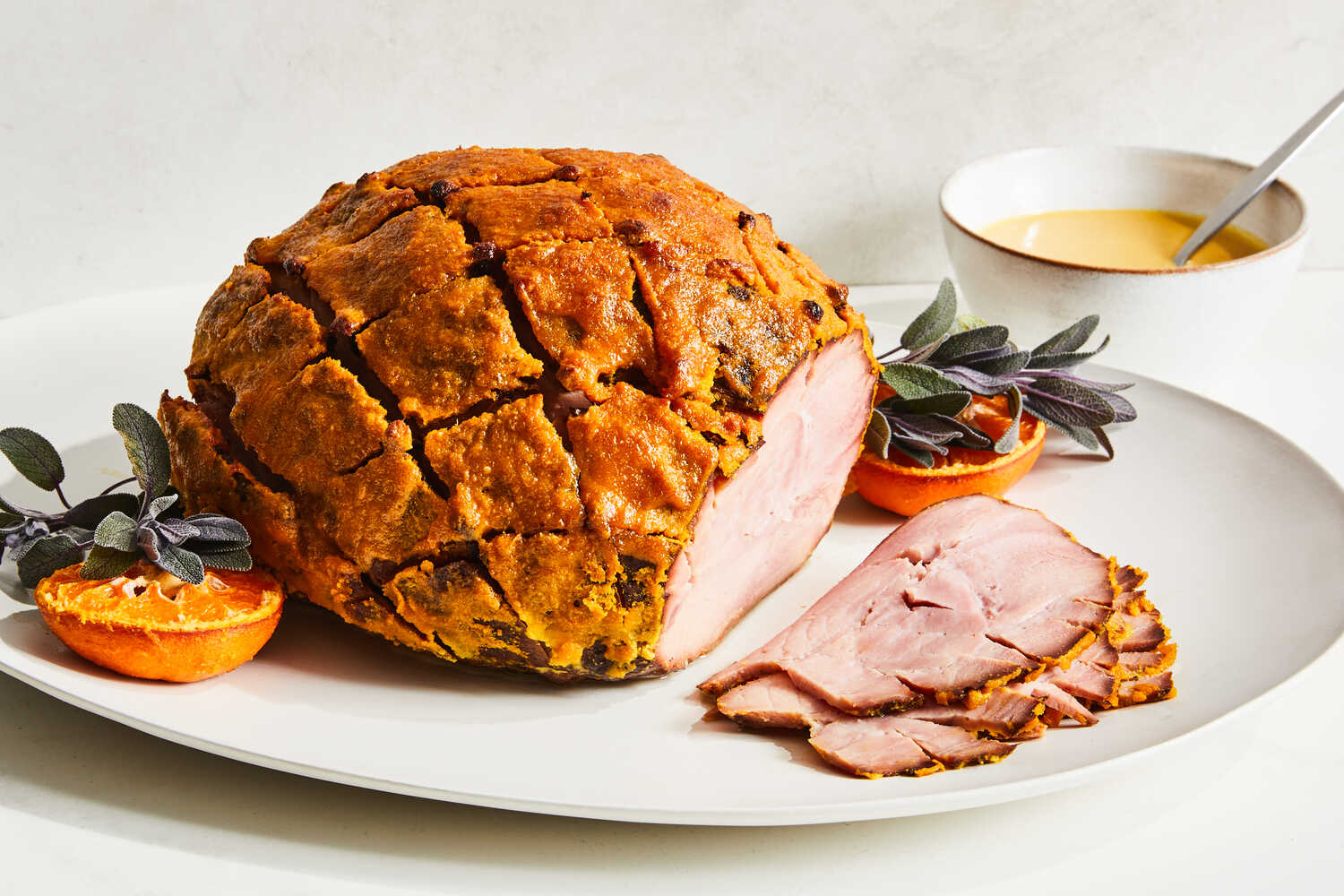
Sweet & Sticky Glazed Ham: Achieve Christmas Feast Perfection
The scent of a roasting ham, its surface glistening with a rich, caramelized glaze, is perhaps one of the most iconic aromas of the holiday season. It evokes warmth, family, and festive cheer. A beautifully prepared
glazed Christmas ham isn't just a meal; it's the undisputed centerpiece of your holiday table, a show-stopping dish that promises a memorable feast. While its majestic appearance might suggest a complicated culinary endeavor, achieving this sweet and sticky perfection is surprisingly straightforward, designed to impress your guests without adding unnecessary stress to your already busy holiday schedule.
This classic holiday favorite transcends mere sustenance, becoming a cherished tradition for many families. It's the dish that everyone anticipates, not only for its incredible flavor but for the comforting sense of togetherness it embodies. From the moment that fragrant aroma begins to waft through your home, signaling the start of the celebrations, you know you're creating more than just dinner – you're crafting memories. This article will guide you through mastering the art of the
glazed Christmas ham, ensuring your holiday feast is nothing short of spectacular.
The Timeless Appeal of a Glazed Christmas Ham
What is it about a
glazed Christmas ham that makes it so universally beloved? Part of its allure lies in its perfect balance of flavors and textures. Imagine a tender, juicy ham, savory and succulent, encased in a shimmering crust that's both sweet and slightly tangy, with hints of spice. This complex profile is what transforms a simple cut of meat into an extraordinary culinary experience. It’s the kind of dish that garners gasps of admiration when brought to the table and satisfies every palate with its comforting richness.
Beyond the sensory delight, the glazed ham holds a significant place in holiday traditions. For many, it's a nostalgic dish, reminiscent of childhood Christmases and gatherings with loved ones. It���s a focal point, around which conversations flow and laughter echoes. The ease with which a truly magnificent
Classic Glazed Ham: The Beloved Heart of Your Christmas Table can be achieved means that even novice cooks can create a feast that tastes as though it took hours of intricate preparation. The secret lies in simple, quality ingredients and a straightforward method that allows the ham's natural flavors to shine, beautifully enhanced by a delectable glaze.
Crafting the Irresistible Glaze: A Symphony of Flavors
The heart and soul of any great
glazed Christmas ham is, undoubtedly, its glaze. This sticky-sweet concoction is responsible for the ham's characteristic caramelized crust and infuses the meat with an additional layer of moisture and flavor. While there are countless variations, the most popular and often the most successful glazes rely on a blend of sweet, tangy, and subtly spiced elements.
The Foundation: Brown Sugar, Honey, and Butter
At the core of many classic ham glazes is a decadent blend that promises sticky perfection:
- Brown Sugar: This is the hero, providing deep, molasses-rich sweetness and, crucially, excellent caramelization properties. As it bakes, it melts and darkens, forming that beautiful, burnished crust.
- Honey: Golden honey adds another dimension of sweetness and a lovely stickiness, contributing to the glaze's luscious texture. It also helps achieve a glossy finish.
- Melted Butter: A generous amount of melted butter ensures richness and helps bind the glaze ingredients together, allowing it to coat the ham evenly and deeply.
Adding Tang and Zest: Mustard, Orange, and Pineapple
To balance the sweetness and add complexity, tangy and zesty components are essential:
- Mustard: Whether you choose Dijon for a sharp, savory bite, grainy mustard for texture and a milder tang, or even a spicy brown mustard for a kick, this ingredient is vital. It cuts through the sweetness, adding depth and a savory counterpoint that elevates the entire dish.
- Orange Juice/Zest: A splash of fresh orange juice or the bright zest of an orange infuses the glaze with a vibrant citrus note. This not only brightens the flavor profile but also aids in keeping the ham moist. Some creative recipes even take inspiration from culinary traditions that steam whole clementines alongside the ham, blending them into the mustard sauce for an incredibly profound citrus flavor that permeates every bite. This method ensures a sweet, sticky, and distinctly spiced glaze, with extra sauce pooling at the bottom of the pan – perfect for basting and even as a clever sandwich condiment for leftovers.
- Pineapple: A classic pairing with ham, pineapple offers both sweetness and a tropical tang. Pineapple juice can be incorporated into the glaze, or rings can be pinned to the ham's surface, creating decorative patterns and infusing the meat with their delicious juices.
Aromatic Enhancements: Cloves and Spices
For that quintessential holiday aroma and flavor, consider adding whole cloves. These small spices are often pressed directly into the ham's scored surface, releasing their warm, pungent fragrance as the ham roasts. Other warming spices like a pinch of cinnamon or nutmeg can also be subtle additions to the glaze, deepening its festive character. The combination of these elements creates a glaze that is not just sweet, but savory, tangy, and wonderfully aromatic – truly a symphony for the senses.
The Art of Roasting Your Glazed Christmas Ham to Perfection
The secret to a tender, juicy ham with a glorious caramelized crust lies in understanding a few key roasting techniques. Starting with the right ham and following a gentle cooking process will ensure your
glazed Christmas ham is moist from edge to center.
Selecting Your Ham
For a traditional holiday feast serving 10-12 guests, a 10-12 lb bone-in ham is often ideal. While boneless hams are convenient, a bone-in ham often yields a richer flavor and remains juicier during cooking. Most hams available for purchase are "fully cooked," meaning they only need to be reheated to a safe internal temperature. This significantly simplifies the process, making it far less intimidating than cooking a raw ham. If you opt for a "partially cooked" or "cook before eating" ham, be sure to follow its specific cooking instructions carefully.
Preparation is Key
Before roasting, allow your ham to come to room temperature for about an hour. This helps it cook more evenly. If you're using a bone-in ham, consider scoring the fatty side in a diamond pattern. This not only creates a beautiful visual but also allows the glaze to penetrate deeper and renders the fat more effectively. You can press whole cloves into the center of each diamond for an extra aromatic touch.
The Roasting Process: Slow and Steady Wins the Race
The goal is to heat the ham gently and thoroughly without drying it out.
- Initial Bake: Place your ham, fat-side up, in a sturdy roasting pan. Add about 1/2 to 1 cup of water, apple juice, or even a dry white wine to the bottom of the pan. This creates a moist environment, preventing the ham from drying out. Bake slowly at 325°F (160°C). For a fully cooked ham, generally allow about 10-15 minutes per pound, or until the internal temperature reaches 140°F (60°C).
- The Glaze Application: The real magic happens during the final stages. Resist the urge to apply the glaze too early, as the high sugar content can cause it to burn before the ham is fully heated through. Instead, about 1-2 hours before the estimated end of cooking time, begin to brush your prepared glaze generously over the ham.
- Basting for Perfection: Continue to brush the ham with the glaze every 15-20 minutes during this final period. This repeated basting builds up those beautiful layers of sweet, sticky caramelization, creating a glistening, flavorful crust that's bursting with flavor. The slow roasting combined with consistent glazing ensures a tender interior and an irresistible exterior.
- Temperature Check: Always use a reliable meat thermometer inserted into the thickest part of the ham (avoiding the bone) to confirm it has reached 140°F (60°C).
- Resting: Once cooked, remove the ham from the oven, tent it loosely with foil, and let it rest for 15-20 minutes before carving. This crucial step allows the juices to redistribute throughout the meat, ensuring maximum tenderness and moisture.
Beyond the Recipe: Tips for a Truly Stress-Free Holiday Ham
While the recipe itself is straightforward, a truly stress-free holiday feast comes down to smart planning and execution. Here are some actionable tips to ensure your
glazed Christmas ham experience is as smooth as your glaze:
- Plan Your Timeline: A few days before, ensure your ham is fully defrosted if frozen. Gather all your glaze ingredients. The day before, prepare your glaze (it can be stored in the fridge) and prep any other sides that can be made in advance.
- Essential Equipment: A sturdy roasting pan with a rack, a good basting brush, and a reliable meat thermometer are non-negotiables for success. A sharp carving knife and fork are also essential for presentation.
- Complementary Sides: Think about sides that will complement the rich sweetness of the ham. Creamy mashed potatoes, roasted root vegetables, green bean casserole, a fresh winter salad, and soft dinner rolls are all excellent choices.
- Carving with Confidence: Once rested, carve your ham against the grain into thin, even slices. If it's bone-in, first slice around the bone to free larger sections, then carve those sections.
- Mastering the Leftovers: One of the best parts of a large glazed Christmas ham is the promise of delicious leftovers. Any excess glaze pooling in the pan is liquid gold – save it! It makes an incredible condiment for ham sandwiches. Leftover ham is incredibly versatile:
- Sandwiches: Classic ham and cheese, or a gourmet version with a touch of that extra glaze.
- Soups: Split pea soup with ham hock, or a hearty ham and vegetable soup.
- Casseroles: Ham and potato au gratin, or a simple ham and noodle casserole.
- Breakfasts: Diced ham in omelets or frittatas.
Making your Easy Glazed Christmas Ham: Impress Guests Without Stress is truly a gift that keeps on giving, minimizing food waste and maximizing deliciousness.
An Unforgettable Christmas Feast Awaits
The
sweet and sticky glazed ham is more than just a dish; it's a testament to festive joy and comforting tradition. It brings families together, fills homes with intoxicating aromas, and creates memories that last long after the last slice has been savored. By following these simple steps and infusing your own love into the process, you can achieve Christmas feast perfection without the stress. This holiday season, embrace the magic, gather your loved ones, and let this magnificent centerpiece be the heart of your celebration. Your unforgettable Christmas ham awaits!